Most Guatemala packing guides are written for backpackers hopping shuttles between hostels. If you're driving yourself, however, the picture is different. You have a trunk, which helps, but you also need things that never come up in the standard guide. Things like: a physical map for when GPS drops somewhere in the Cuchumatanes, small-denomination bills for the fuel station outside Cobán that doesn't take Visa, and at minimum a flashlight in the event that something goes wrong on an unlit mountain road.
Enterprise Guatemala serves self-drive travelers across the country, from La Aurora Airport to offices in Antigua, Quetzaltenango, and Flores. Wherever you're picking up from, the following information covers what you should pack for the journey.
Guatemala's Climate Is More Complicated Than It Looks
The “Land of Eternal Spring” nickname gets thrown around a lot, and for the highlands it's actually very apt. The problem is that visitors take it literally and pack for one climate when Guatemala has several.
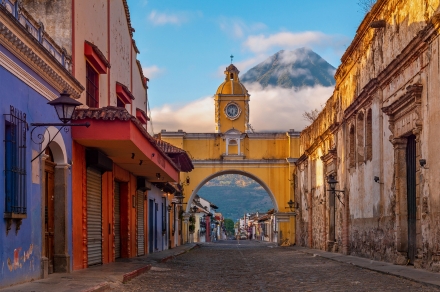
The highland cities, Antigua, Guatemala City, Quetzaltenango, and the Lake Atitlán basin, sit between roughly 1,500 and 2,400 meters. Daytime temperatures are comfortable, typically in the mid-60s to low 80s Fahrenheit, but evenings in Quetzaltenango or the villages above Atitlán can get rather cold.
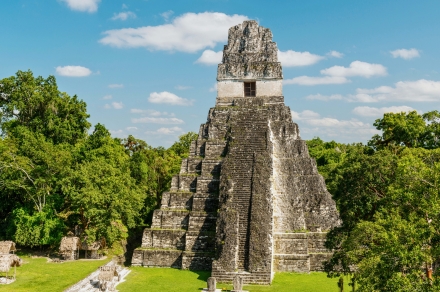
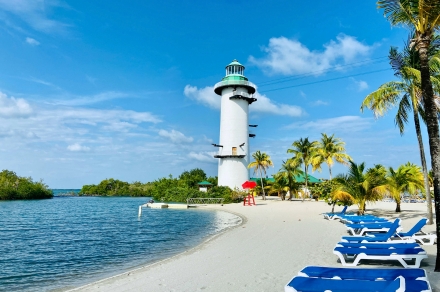
Head north to Petén and all that changes. Flores and Tikal are hot and humid, pushing well above 85°F in dry season. The Caribbean coast around Río Dulce and Livingston is humid year-round with no meaningful dry season to speak of. A driver leaving Antigua in the morning and arriving in Flores that evening ends up crossing two completely different climates in one day.
Pack for both.
Clothing
Layers first. A midweight fleece is ideal for highland evenings and early-morning departures. Long-sleeve shirts serve double duty: warmth at altitude and sun protection on long drives. The UV index in the highlands hits harder than people expect on a cool morning.
Regarding shorts: most Guatemalans outside beach and pool areas don't wear them as everyday clothing, and conservative dress matters in Mayan communities throughout the western highlands. Lightweight convertible pants are worth it.
Rain gear from May through October. Highland downpours come on fast and can be heavy. A packable rain jacket is one of the highest-use items you'll bring during rainy season and doesn’t take up a lot of space.
Shoes. Cobblestones in Antigua wreck anything with a thin sole. If you're planning hiking at Semuc Champey or on any of the volcanoes, bring trail shoes or boots separately.
Swimwear and a quick-dry towel if your route includes Semuc Champey, Atitlán, or the coast. A lot of guesthouses outside tourist hubs don't supply towels.
Documents and the In-Car Folder
Keeping a dedicated folder in the center console or glovebox should not be overlooked, especially as it keeps things moving at checkpoints, and checkpoints on CA-1 and CA-9 are common.
What goes in it:
- Passport (original, not a copy)
- Valid driver's license from your home country
- Rental agreement and vehicle registration (Enterprise Guatemala provides both at pickup)
- CDW-TP and TPL insurance certificates from pickup
- An emergency contact card: Enterprise Guatemala (+502 3570-5831), PROVIAL roadside assistance (1520), and the ASISTUR tourist helpline (1500 from any Guatemalan phone, staffed in English 24/7)
Keep a copy of your passport photo page somewhere separate in your luggage. It's a small thing that matters if the original goes missing.
Navigation and Connectivity
Coverage is reliable in Guatemala City, Antigua, Quetzaltenango, and along the main highways. Be mindful that it does drop off fast in the highlands near Huehuetenango and in stretches of Petén away from the main road to Tikal, however.
Offline maps before you go. Google Maps and Maps.me both let you download the full country map. Do it on WiFi before you leave your hotel, not on data in the car when you need it.
A local SIM is worth grabbing at La Aurora if you're driving for more than a few days. Tigo and Claro both have kiosks in the arrivals hall, though hours can be hit or miss for late-night arrivals. This Guatemala SIM card guide breaks down which carrier covers which parts of the country, which will matter if you're heading into remote areas.
A phone mount. Driving in Guatemala City traffic without one is a bad idea.
Cash and Payment
Cards work in the cities. Outside them, not reliably. Fuel stations on secondary roads, guesthouse owners in smaller towns, parking at ruins, roadside commodores—most of it is cash only.
Small bills matter more than the total amount. Large US bills are hard to break outside Guatemala City and Antigua. Keep quetzales in small denominations accessible from the driver's seat; Enterprise Guatemala's vehicles don't include electronic toll payment, so you're paying cash at booths.
ATM strategy: Withdraw in the cities before leaving. Guatemala City, Antigua, Panajachel, Flores, Quetzaltenango. Cobán has ATMs and it's the last reliable stop before Semuc Champey. After Cobán, plan ahead.
Health and Safety
Sunscreen. The UV index at altitude is deceptively high. A cool morning in Antigua can still burn you after a few hours outside. This is something that’s easy to underestimate.
Insect repellent is essential for Petén, Río Dulce, Livingston, and the Pacific coast. The coastal lowlands have sandflies that are notorious for bites that itch intensely for days. DEET-based repellents are available in Guatemala City pharmacies but harder to find once you're out in the field. Bring your own supply.
Motion sickness medication for passengers especially. The Sololá-to-Panajachel descent, the Cobán-to-Lanquín road, and most highland routes off the main highways involve extended switchbacks. It's worth having on hand regardless.
A basic kit: antiseptic, bandages, blister pads, stomach medication. On remote routes the nearest pharmacy can easily be an hour away.
What to Have in the Car
Enterprise Guatemala's fleet is is well maintained, but road conditions in Guatemala can be hard on vehicles. Before you leave the pickup location, confirm there's a spare tire and jack in the car. Beyond that:
- A compact jump starter (the lithium pack kind that fits in a daypack)
- Flashlight or headlamp with spare batteries
- Reflective triangles for breakdowns on unlit roads
- At least two liters of water per person at all times (in Petén during dry season this isn't optional).
If something goes wrong, contact Enterprise Guatemala's customer service or call the branch where you picked up. PROVIAL patrols the main highways and provides free roadside assistance.
What to Leave Behind
Expensive jewelry or watches. Petty theft in markets and city traffic is the main security risk, and there's no upside to drawing attention to yourself.
Leave nothing visible in a parked car. Jacket on the seat, bag under the seat, laptop in the footwell. Put everything in the trunk, particularly in urban areas.
Hard-sided suitcases are a nuisance on cobblestones and fill a compact rental trunk fast. A duffel that compresses when it's not full is more practical for a multi-stop trip.
Quick Reference by Destination
Antigua and the highlands: Layers, rain jacket, walking shoes, sunscreen, cash in quetzales.
Lake Atitlán: Add swimwear, motion sickness medication for the Sololá descent, cash for lanchas and parking lots.
Petén (Tikal, Flores): Lightweight clothes for heat and humidity, strong insect repellent, extra water in the car, cash sorted before leaving Flores.
Semuc Champey and the Verapaces: Waterproof bag for the pools, trail shoes, cash from Cobán ATMs, motion sickness medication for the Cobán-to-Lanquín road. Per a 2025 guide to the area, the Lanquín-to-Semuc road is now paved, but the stretch from Cobán to Lanquín is still winding.
Río Dulce and Livingston: Breathable clothes, insect repellent, sunscreen, cash (ATM access is limited).
Book through Enterprise Guatemala at La Aurora International Airport or any of their Guatemala City and Antigua offices.
Frequently Asked Questions
Do I need a yellow fever vaccination to enter Guatemala?
Not for most nationalities. The exception is if you're arriving directly from a country where yellow fever is endemic, in which case proof of vaccination may be required at entry. Check with your country's travel health authority before you go.
Can I buy sunscreen and insect repellent once I'm there?
In Guatemala City and Antigua, yes, without much trouble. Outside those cities it gets hit or miss quickly. Bring enough to cover the first week at minimum and top up when you're passing through larger towns.
Is tap water safe to drink?
No, not anywhere in Guatemala. Bottled or purified water for drinking and brushing teeth throughout the trip. Keep a supply in the car on longer drives.
What should stay in the car versus go in my bag?
Rental documents, insurance certificates, your emergency contact card, and small bills stay accessible in the car. Everything of value goes in the trunk when you park, not on the seat or floor.
Can I do laundry on the road?
Yes. Drop-off laundry services are easy to find in Antigua, Panajachel, Flores, and most tourist towns. Usually back within 24 hours. Packing light and doing laundry mid-trip beats overpacking every time.
What do people most often forget?
Small-denomination cash. Travelers who show up with large bills or card-only find themselves stuck at fuel stations on secondary roads, archaeological site parking, and anywhere outside the main cities. Sort your quetzales at city ATMs before you head out.