Most people who have a rough time in Guatemala did not have bad luck. They had bad information. The roads are more varied than they look on a map, the distances take longer than Google suggests, and a handful of logistics that seem obvious in hindsight turn out to be the exact things nobody mentioned before the trip. The tips below are the ones first-time visitors consistently wish they had read before landing.
A rental car gives you more access to Guatemala than any other form of transport, and more exposure to its logistics. Enterprise Guatemala operates offices at La Aurora International Airport, Antigua, Quetzaltenango, Flores, and across Guatemala City, making it possible to build almost any self-drive itinerary around a convenient pickup and return. These tips cover what the rental agreement does not.
On the Road
1. Never Drive After Dark Outside Urban Areas.
This is the single most important rule for self-drive travel in Guatemala. Rural and secondary roads have no lighting whatsoever. Hazards appear without warning: stalled vehicles with no hazard lights, livestock crossing the road, pedestrians in dark clothing, and unmarked speed bumps that will bottom out your car. Within Guatemala City, well-lit zones like Zona 10 are fine after dark. On any highway or rural route between cities, treat sunset as your hard stop.
2. Download Offline Maps Before You Leave Your Hotel
Cell signal drops out on highland stretches between Antigua and CA-1, and disappears almost entirely in parts of Petén and Alta Verapaz. Google Maps and Waze both support offline downloads. Do it on hotel WiFi the evening before any driving day, not in the airport parking structure at 6:00 AM.
3. Speed Bumps Are Unmarked and Frequent
Topes appear on every road in Guatemala, including major highways, at the entrance and exit of every town, and occasionally in the middle of nowhere. They are often unpainted and poorly signed. Even at 40 km/h, hitting a tope at full speed will do real damage to your vehicle and the rental's suspension. Reduce speed whenever you approach any populated area or town signage.
4. Always Carry a Rental Agreement
Police and military checkpoints are a routine feature of driving on CA-1, CA-9, and routes into Petén. Officers will typically ask for your driver's license, passport, and rental contract. Stay calm, stay courteous, and do not offer payment under any circumstances. The Enterprise Guatemala FAQ covers what to have ready.
5. Fuel Stations Do Not Have Self-Service
Attendants pump gas at every station in Guatemala. When you pull in, tell the attendant the fuel type and the amount. Always confirm the pump reads zero before they start filling. Pay in cash where possible; card readers at fuel stations fail regularly. Most rental vehicles run on regular unleaded unless the contract specifies otherwise.
6. Build Buffer Time Into Every Overland Leg
Guatemala's road distances are deceptive. The 430 km Guatemala City-to-Flores drive takes 7.5 to 8 hours, not 4. The 78 km Antigua-to-Panajachel route takes 2 to 2.5 hours because of the highland curves and the Sololá descent. Roadblocks from protests or landslides add unpredictable time on CA-1 and northern routes. Plan driving days with a 30 to 50 percent time buffer over what navigation apps suggest.
Money and Logistics
7. Do Not Exchange Currency at the Airport
Exchange rates at La Aurora International Airport are consistently the worst in the country. Use an ATM inside the terminal on arrival to withdraw quetzales at the bank rate instead. The quetzal has been one of the most stable currencies in Latin America in recent years, hovering around Q7.60 to Q7.80 per US dollar. Bring a debit card with no foreign transaction fees for the best rate.
8. ATMs Charge Fees on Every Withdrawal
Guatemalan ATMs typically charge Q31 to Q70 per transaction for foreign cards, on top of whatever your home bank charges. Minimize the number of withdrawals by taking out more at a time. Reliable ATM networks include Banrural, BAM, and Banco Industrial, available in all major cities and tourist towns.
9. Guatemala Is Largely a Cash Economy Outside the Cities
Credit cards work at upscale hotels, larger restaurants, and some tour operators. Markets, parking attendants, lanchas, fuel stations in rural areas, and most small-town businesses operate on cash only. Carry quetzales in small denominations; many vendors cannot break a Q200 note. Tolls on CA-9 and parking lots require cash regardless of what else you have in your wallet.
10. USD Is Accepted in Tourist Areas, but Not Everywhere
Many hotels, tour operators, and some restaurants in Antigua, Panajachel, and Flores will accept US dollars. The exchange rate offered at the counter is rarely as favorable as an ATM rate. Bring small-denomination USD bills ($5s, $10s, $20s) for situations where quetzales run short, as most businesses will refuse $50 or $100 bills.
Health and Wellbeing
11. Never Drink the Tap Water
This applies everywhere in Guatemala, including upscale hotels in Antigua and Guatemala City. Bottled water (agua pura) costs around Q12 for a 1.5-liter bottle and is available at every grocery store, hotel, and gas station. Most hotels provide large filtered water dispensers; use those for brushing teeth too if you have a sensitive stomach. The CDC recommends Hepatitis A and Typhoid vaccinations for most travelers given the risk from contaminated food and water.
12. Carry Basic Medications in the Vehicle
Traveler's diarrhea is the most common health complaint in Guatemala and typically lasts one to two days. Having oral rehydration salts, an anti-diarrheal, and a basic antibiotic on hand means you can address symptoms without hunting for a pharmacy mid-route. Pharmacies (farmacias) are available in all major towns, but on a long driving day in a remote region the nearest one may be an hour away. Insect repellent is essential in Petén and coastal areas year-round.
13. The Highlands Arrive Faster Than You Expect
Guatemala City sits at approximately 1,500 meters above sea level. Antigua is at a similar elevation, and the western highlands climb well above 2,000 meters on CA-1. Travelers arriving from low-altitude cities may experience mild symptoms in the first 24 hours: headache, fatigue, or disrupted sleep. Stay hydrated, pace yourself on the first day, and avoid heavy alcohol on arrival night. Symptoms typically ease within 24 to 48 hours as your body adjusts.
Planning and Timing
14. The Rainy Season is Not a Reason to Skip Guatemala
May through October brings afternoon rains, but mornings across most of the country are reliably clear. Travelers who structure driving days around early departures can cover significant ground before conditions deteriorate. September and October are the most demanding months. June and July are manageable with the right vehicle and realistic expectations about secondary roads. An SUV becomes the practical default for any route off the main paved corridors from June onward.
15. Semana Santa Requires Planning Months in Advance
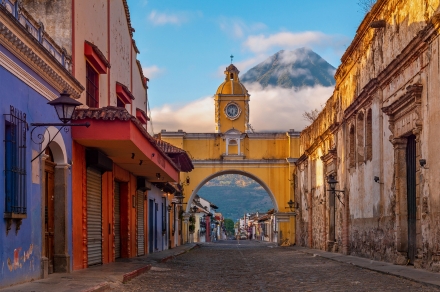
Holy Week in Antigua is one of the most extraordinary cultural events in Latin America, but it is also the most logistically demanding week to visit Guatemala. Hotels in Antigua book out two to three months ahead. Parking in the city center is extremely restricted from Holy Thursday through Easter Sunday. CA-1 and routes to the Pacific coast see severe traffic from Thursday afternoon through Sunday evening. If this is your target week, book accommodation and vehicle rental early and plan your driving days around procession schedules.
Safety and Common Sense
16. Leave Nothing Visible in a Parked Vehicle
Opportunistic vehicle break-ins occur throughout Guatemala, including in relatively safe areas like Antigua and Panajachel. Any bag, jacket, charger, or item of apparent value left visible in a parked car is a risk. Lock everything in the trunk before parking, or take it with you. This applies equally to guarded private lots and street parking.
17. Save ASISTUR's Number Before Your First Driving Day
ASISTUR is Guatemala's 24-hour tourist assistance program, staffed in both Spanish and English. They can provide real-time route guidance, connect you with emergency services, and assist with tourist-specific situations across the country. The number is 1500 from any Guatemalan phone, +502 2290-2810 from abroad, and +502 5188-1819 via WhatsApp. PROVIAL (+502 2419-2121) patrols major highways and provides free roadside assistance. Enterprise Guatemala is reachable at +502 3570-5831 or reservations@enterprise.gt for rental-specific emergencies.
What to Keep in the Car
A rental vehicle in Guatemala is more than just transportation. On longer routes, particularly the Guatemala City-to-Flores corridor or any highland drive during the rainy season, it becomes your emergency kit, your navigation device, and occasionally your place to wait out delays. These are the items worth having before you leave the city.
- Cash in small denominations. A mix of quetzales and USD bills under $20 handles tolls, parking attendants, roadside fuel stops, and unexpected situations where card readers are unavailable. Keep it accessible in the center console rather than buried in a bag.
- A physical phone charger and a car adapter. Offline navigation drains a phone battery quickly, and losing GPS on a mountain pass in the rain is not the moment to discover your adapter is in your checked luggage.
- Bottled water and a snack. On the Guatemala City-to-Flores drive especially, you will pass through stretches where nothing is open and traffic slows to a crawl. A liter of agua pura per person and something to eat makes a delayed leg manageable rather than miserable.
- A flashlight. If you have a breakdown or flat tire on a secondary road at dusk, the darkness comes fast and completely. A flashlight in the glove box costs almost nothing and matters enormously when you need it.
- A face covering or bandana. Volcán de Fuego, approximately 40 km from Antigua, erupts intermittently. Ashfall from significant activity can reach the CA-1 corridor and surrounding routes. CONRED monitors and publishes alerts, but having a basic face covering on hand requires no advance warning.
Navigating Guatemala City
Most travelers treat Guatemala City as a connection point rather than a destination, but almost every self-drive itinerary passes through it. Understanding a few basics makes the transit significantly less stressful.
Guatemala City is divided into numbered zones (zonas), and knowing which zone you are in or heading to is more useful than street names for navigation. Zona 13 is where La Aurora International Airport sits. Zona 10 is the upscale commercial and hotel district, well-lit and relatively straightforward to navigate. Zonas 1 through 6 and Zona 18 in the north are areas to avoid, particularly after dark.
Rush hour in the capital runs from approximately 5:00 to 8:00 AM and 4:00 to 7:30 PM on weekdays. These windows are not guidelines: during peak hours, a 10 km drive through the city can take over an hour. Departing for Antigua, Lake Atitlán, or the northern highway before 7:00 AM eliminates most of this congestion. Waze is particularly useful in Guatemala City as it routes around real-time traffic, but it will occasionally send you through unfamiliar neighborhoods. Stay on well-traveled corridors when possible and do not deviate from the GPS route into areas you do not recognize.
Frequently Asked Questions
Do I need an international driving permit to rent a car in Guatemala?
Foreign visitors can drive in Guatemala with a valid home country driver's license for up to 60 days. An international driving permit is not legally required within that window but is recommended if your license uses non-Latin characters. Enterprise Guatemala requires a valid physical license issued at least one year prior to the rental date.
Is it safe to drive in Guatemala as a tourist?
Self-drive travel in Guatemala is manageable for experienced drivers who follow the core rules: no night driving on rural roads, no leaving valuables visible in a parked vehicle, documents kept accessible for checkpoints, and routes planned around the daylight window. The main corridors between Guatemala City, Antigua, Lake Atitlán, and Flores are all suitable for self-drive travel. Remote secondary routes require more caution and a capable vehicle.
Can I use US dollars in Guatemala?
In Antigua, Panajachel, Flores, and other tourist centers, many businesses accept USD, though the exchange rate offered at the counter is rarely favorable. Outside tourist areas, quetzales are the practical requirement. Always carry small-denomination bills in both currencies and never rely solely on card payment.
What should I do if I have a problem with my rental vehicle?
Contact Enterprise Guatemala directly at +502 3570-5831 or via WhatsApp at the same number, or email reservations@enterprise.gt. In the event of an accident, stay at the scene, call your insurer, and call 911. Do not move the vehicle unless it is actively blocking traffic. The Enterprise Guatemala FAQ outlines the full accident and breakdown procedure.
What vehicle should I rent for a first trip to Guatemala?
An SUV is the safest default for a first-time visitor covering multiple destinations.
- Sedans work fine for Antigua, CA-1, and the main Panajachel route in dry conditions
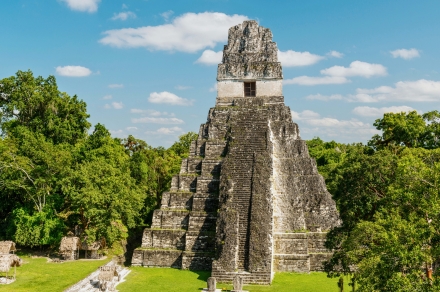
- The Flores-to-Tikal road is heavily potholed and benefits from the extra clearance of an SUV
- Any secondary road travel during the rainy season (May through October) warrants an SUV at minimum
- Enterprise Guatemala's vehicle options include sedans, SUVs, and pickups, none older than two years