Guatemala doesn’t have four seasons. It has two: a dry season from November to April, and a rainy season running from May through October. Within those two windows, conditions shift enough month by month that the question of when to visit has a different answer depending on where you are going, which roads you plan to drive, and how much flexibility you have built into your itinerary.
This guide breaks down what to expect each month from a driver's perspective, covering road conditions, weather, crowds, and which destinations are most and least accessible. Whether you are picking up a vehicle at Enterprise Guatemala's La Aurora Airport office or starting from the Antigua or Quetzaltenango branches, timing your trip well is one of the most practical decisions you will make before turning the key.
Guatemala's Two Seasons and What They Mean for Drivers
Guatemala's climate is shaped more by altitude and geography than by calendar month. The highlands around Antigua and Lake Atitlán sit between 1,500 and 2,500 meters and enjoy spring-like temperatures year-round. The lowland jungles of Petén are hot and humid regardless of season. The Pacific and Caribbean coasts stay warm year-round. What changes dramatically between seasons is road reliability.
The Dry Season (November through April)
The dry season is generally the best option for self-drive travelers. Main highways and secondary roads are at their most reliable. Dust builds on unpaved routes by March and April, but landslide and flood risk drops to its annual low. Visibility in the highlands is excellent. The window is not uniformly calm, though: Semana Santa in late March or April and the Christmas-New Year period in late December both bring significant traffic spikes on the main corridors.
The Rainy Season (May through October)
The rainy season is more nuanced than its reputation suggests. Mornings are typically clear across the country, with heavy afternoon rains usually arriving between 2:00 and 6:00 PM. Main national highways stay open through most of the season. The main challenge is secondary and unpaved roads, which become significantly less reliable from August onward as the ground saturates. September and October are the most demanding months.
The U.S. Embassy in Guatemala issues a standing rainy season advisory noting that heavy rainfall can cause landslides, floods, and road damage that results in travel delays and, in some cases, restrictions on vehicle movement. CONRED, Guatemala's national disaster coordination agency, tracks active closures and publishes alerts throughout the season.
November: The Underrated Month
November does not get the credit it deserves. The rains pull back across most of the country, the landscape stays lush and green from the wet season, and tourist crowds are noticeably thinner than the months ahead. Roads that took a beating from the summer rains are in the process of being patched and repaired, and by mid-November most main routes are in good shape.
What to know for drivers:
- Secondary road conditions vary; some highland routes are still recovering from September and October
- Petén rains can linger into November, particularly on secondary jungle roads
- All Saints Day on November 1st draws significant domestic activity in highland towns but does not affect main road access
For travelers with flexibility, early-to-mid November offers some of the best value and thinnest crowds of the entire dry season window.
December: Dry Season Arrives, Holiday Traffic Follows
December brings reliably dry conditions across the highlands, Antigua, Lake Atitlán, and the main Petén corridor. Temperatures in Antigua average 10 to 22°C, visibility on highland routes is excellent, and road surfaces are generally at their best of the year by mid-month.
The caveat is the final ten days of the month. Christmas and New Year are peak domestic travel periods in Guatemala, and CA-1 toward Antigua, CA-2 toward the Pacific coast, and CA-9 toward the Caribbean all see heavy traffic from December 22 through January 2. A drive that takes 45 minutes on a regular Tuesday can stretch to two hours or more during the holiday exodus. Plan early morning departures or accept delays.
January and February: Peak Conditions for Self-Drive Travel
These are the two best months to drive in Guatemala, full stop.
Rain is rare across every region. Humidity in Petén drops to its most manageable levels of the year, making the Flores-to-Tikal road and the ruins themselves significantly more comfortable than at almost any other time. Visibility at Lake Atitlán is typically at its clearest. The highland passes on CA-1 between Antigua and Quetzaltenango are free of the morning fog that returns later in the year.
Why February Stands Out
February is the sunniest month of the year in Guatemala City, averaging 8.4 hours of sunshine per day. Crowds are lighter than January, prices are moderate, and competition for parking and accommodation is lower than during the Semana Santa rush. These are also the best months for remote routes in Alta Verapaz: the unpaved approach to Semuc Champey near Lanquín is at its most drivable, and landslide risk across the highland departments is at its annual low.
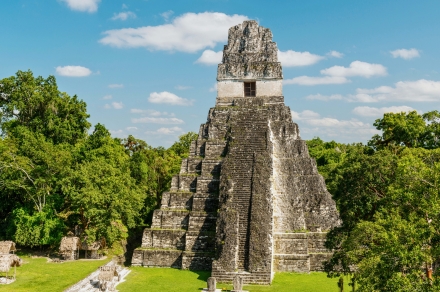
If Tikal is on your itinerary, the December through February window is the optimal time to make the drive. The heat and humidity that make Petén grueling in April and May are absent, and the secondary jungle roads are dry enough for an SUV to handle comfortably.
March and April: Dry Roads, Busy Highways
March and April are the driest and warmest months. Roads are clear and skies are reliably sunny. Daytime temperatures in Antigua and Guatemala City climb toward 27 to 28°C. What complicates this window is Semana Santa, which typically falls in late March or April and is Guatemala's single largest travel event.
Driving in March
Outside of the Holy Week window, March is an excellent month on the road. Some unpaved routes begin to get dusty after months without rain, but this is a minor inconvenience. Traffic on main highways is normal. If your trip avoids the Semana Santa week, March offers dry-season conditions at lower crowd levels than January.
Driving During Semana Santa
Semana Santa requires specific planning. Antigua's streets are closed for processions from Holy Thursday through Easter Sunday. Parking in the city is extremely difficult, and much of the center becomes pedestrian-only on the busiest days. On the roads:
- CA-1 toward Antigua can see the 45-minute drive from Guatemala City stretch to two or three hours during peak holiday traffic
- Pacific coast routes are heavily congested Thursday through Sunday as Guatemalan families head to the beach
- Return traffic Sunday evening is the worst window of the entire week
- Depart early: leave Guatemala City for any destination by Wednesday afternoon at the latest to avoid the worst of it
Outside Antigua itself, Semana Santa is one of Latin America's most notable cultural events. The alfombras (elaborately decorated street carpets), processions, and atmosphere make it worth the logistics for most travelers. Just plan the driving side carefully.
May and June: The Rainy Season Begins
May marks the transition into the rainy season, and June is when the full pattern establishes itself. For drivers, this is the window where morning departures become non-negotiable.
May brings the first rains as brief afternoon showers before building through the month. Main highways stay fully operational. Secondary roads begin to show wear. Crowds at major tourist sites drop sharply from the Semana Santa peak, and rental rates typically reflect the lower-demand window.
June locks in the rainy season rhythm: clear mornings, building clouds by midday, heavy afternoon rain between roughly 2:00 and 6:00 PM. Guatemala City's average rainfall in June is 272mm, the highest of any month. Most of that rainfall is concentrated in afternoon downpours rather than all-day rain, which means a driver who departs by 6:00 or 7:00 AM can cover significant ground before conditions deteriorate.
An SUV becomes the practical choice for any secondary road travel from June onward. Enterprise Guatemala's vehicle fleet includes sedans, SUVs, and pickups suited to varying conditions. When booking, describe your intended route and the team can advise on the right choice.
July and August: Mid-Season Driving
July and August sit in the middle of the rainy season. A short drier window called the canicula sometimes occurs in late July and early August, temporarily easing conditions. Its timing and length vary enough from year to year that it is not reliable to plan around.
By late August, the cumulative effect of the season is visible on the road network. CONRED data cited by PAHO documented 591 affected roads and 42 affected bridges nationally by August 26, 2024. Most of the impact falls on secondary and rural roads. Main highways remain passable for drivers willing to depart early and avoid afternoon hours on mountain routes.
Mosquito activity in Petén peaks during these months. If Tikal or Yaxhá is part of your itinerary, carry repellent and plan to be back at your accommodation by late afternoon.
September and October: The Most Demanding Months
September and October are the hardest months of the year to drive in Guatemala. The ground is fully saturated from months of accumulated rain, and the intensity of individual storm events peaks in this window.
CONRED reported 34 deaths, nearly 30,000 evacuations, and more than 15,000 damaged homes nationally by mid-October 2024. Five bridges were destroyed and hundreds of roads were affected. This is not a reason to avoid Guatemala entirely during these months, but it is a reason to stay on main highways, check conditions every morning before departure, and carry the right vehicle.
What remains accessible in September and October:
- Guatemala City, Antigua, and the CA-1 main corridor
- Lake Atitlán via the main Panajachel route (with caution on the Sololá descent)
- Flores and the paved Tikal road
- Pacific coast via CA-2 with attention to afternoon flooding
What becomes genuinely risky:
- Secondary routes in Alta Verapaz and toward Semuc Champey
- Remote highland roads in the Cuchumatanes
- Any unpaved jungle track in Petén beyond the main Tikal corridor
- Coastal access roads after heavy afternoon rain
Check CONRED and PROVIAL before any departure during these months, and call ASISTUR at 1500 if you need real-time route guidance in Spanish or English.
Which Month Is Best for Each Region?
Not every part of Guatemala peaks at the same time. Here is a quick reference by destination:
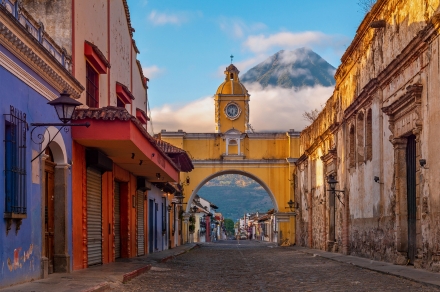
Antigua and the Guatemala City corridor: November through April for dry, uncrowded roads. Avoid Semana Santa week if driving is your priority.
Lake Atitlán: January and February for best visibility and lightest crowds. Possible year-round on the main route, but the Sololá descent requires extra care in the rainy season.
Quetzaltenango and the western highlands: November through March. Highland fog and rain arrive early in the wet season and CA-1 can be slow in poor visibility.
Petén and Tikal: December through February. Heat and humidity are most manageable, secondary roads are dry, and Tikal is far more comfortable to explore in cool morning air.
Alta Verapaz and Semuc Champey: January through March. The unpaved approach near Lanquín is drivable in dry season with an SUV. Avoid it from June onward in anything other than a 4WD vehicle.
Pacific coast via CA-2: November through April for beach visits. Accessible year-round on the main highway, but coastal access roads flood in heavy afternoon rain.
Planning Your Rental Around the Calendar
The right vehicle depends as much on your travel month as your destination. A compact sedan is entirely appropriate for Antigua, the Guatemala City corridor, and the main Lake Atitlán route from November through May. From June onward, an SUV becomes the practical default for any itinerary that goes beyond the main paved corridors.
Enterprise Guatemala operates offices at La Aurora International Airport (open daily 5:00 AM to 11:59 PM), Mundo Maya Airport in Flores (open daily 7:00 AM to 9:00 PM), Antigua, Zona 10, Zona 5, Zona 13, Hotel Barceló in Zona 9, and Quetzaltenango. One-way returns between offices are available with advance booking, which matters for travelers whose routes may shift based on seasonal road conditions. Reach the team at +502 3570-5831 or reservations@enterprise.gt to discuss vehicle selection and routing before you travel.
Frequently Asked Questions
What is the best month to visit Guatemala overall?
January and February offer the best combination of dry roads, comfortable temperatures, manageable crowds, and accessibility across all regions. November is the best month of the dry season.
Is it safe to drive in Guatemala during the rainy season?
Yes, on main highways with early morning departures. Secondary and unpaved roads become significantly less reliable from August onward. September and October require the most caution and the most capable vehicle.
When is Semana Santa in Guatemala, and how does it affect driving?
Semana Santa falls in late March or April depending on the year. It is Guatemala's busiest travel week. Driving into or out of Antigua during Holy Thursday through Easter Sunday requires advance planning and significant patience with traffic.
Which month has the worst road conditions in Guatemala?
September and October are consistently the most difficult, with the highest rates of landslides, road damage, and bridge closures reported by CONRED each year.
Does it rain every day in the rainy season?
In most of the country, the pattern is clear mornings followed by afternoon showers. All-day rain is the exception rather than the rule from May through August. September and October are more unpredictable.
What vehicle do I need for rainy season driving in Guatemala?
A sedan handles the main paved corridors year-round. An SUV is recommended for any secondary road travel from June onward, and is effectively required for remote destinations like Semuc Champey or the Cuchumatanes from August through November.
Can I visit Tikal year-round by car?
The paved Flores-to-Tikal road stays open year-round, but heat and humidity make visiting from April through September uncomfortable. December through February offers the most comfortable conditions for the drive and the ruins.